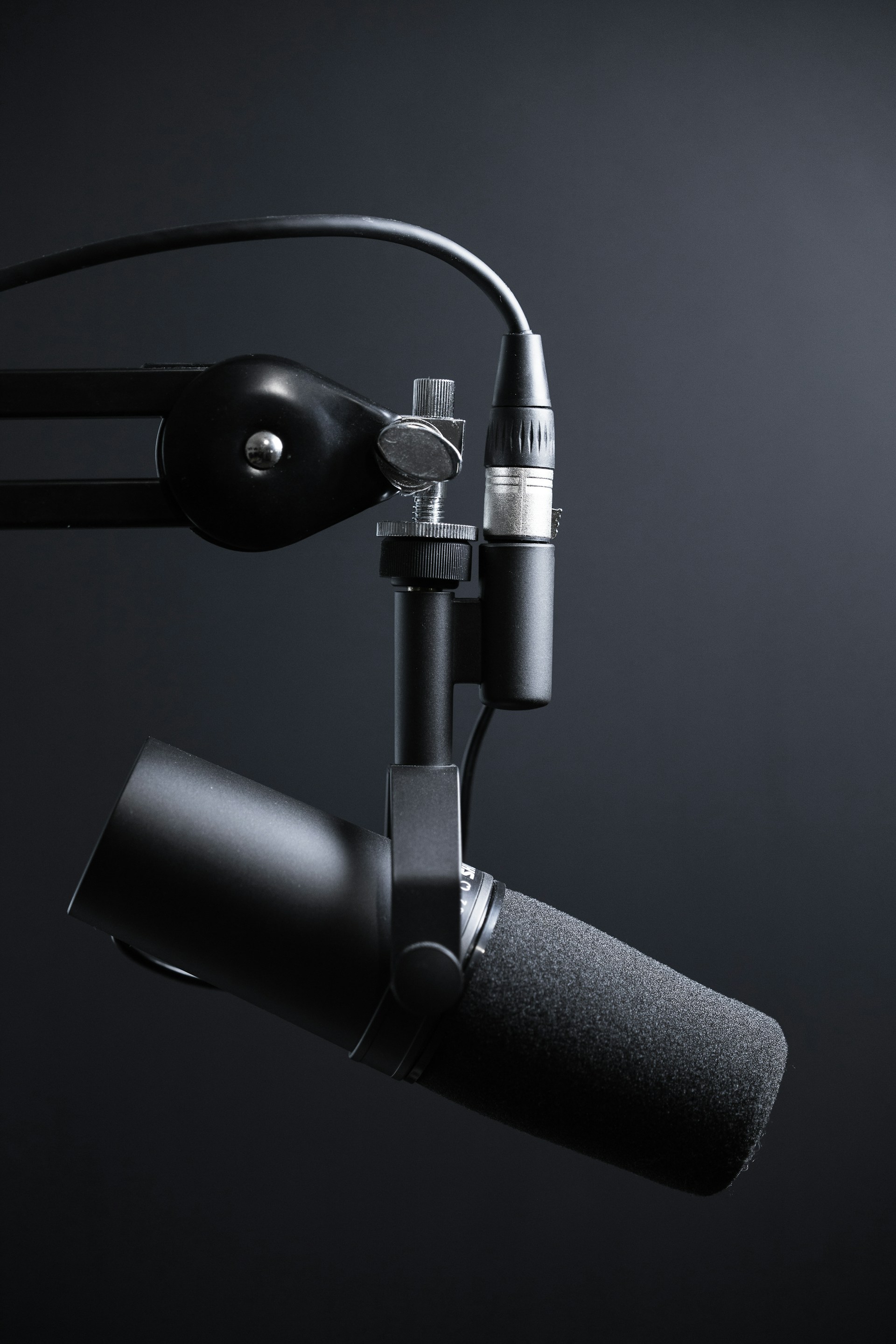
Room tone and place
Room tone tells a listener where they are before narration names it. In well-made documentary audio, that tone continues under speech at a level that preserves intimacy without obscuring words. When tone disappears abruptly at edits, the ear notices — the scene feels cut rather than heard.
The featured episode under review elsewhere on this site uses tone conservatively in opening passages. That choice aligns place with method: you hear a space before you hear a claim. Many works skip this step and pay for it later when ambience must do retroactive work.
Ambience versus evidence
Ambience beds can corroborate context or substitute for it. A bed drawn from location recording carries a different contract than a generic library texture. Listeners may not name the difference, but they feel when atmosphere is doing evidentiary work versus when it is wallpaper.
Documentary makers should ask whether an ambience change signals a new movement or merely freshenes the ear. Unmotivated beds flatten structure; motivated beds can replace exposition without insulting intelligence.
Scoring and argument
Music in documentary audio is never neutral. Harmonic movement implies resolution; rhythmic pulse implies urgency. When scoring leads testimony, the mix makes an argument the reporting has not yet earned — a craft failure with ethical weight in sensitive work.
Silence is the under-used tool. Held quiet after difficult tape allows a listener to finish a thought narration might have truncated. Works that fear silence often compensate with music; the result sounds guided rather than trusted.
Illustration or direction
Illustration supports what tape already established. Direction tells the listener how to feel before they have heard enough to decide. The difference is level, timing and source: location sound illustrates; synthetic stings often direct.
Returning to the featured episode in general terms, its strongest sound passages illustrate; its weakest allow score to anticipate emotion. That pattern is common and correctable — which is why we write about it as craft, not as verdict on anyone's character.
Sound can illustrate a scene or direct a feeling — documentary audio lives or dies on knowing which job it is doing.
Listening panel
At the desk
A useful test in post is muting the score through a contextual passage — if meaning collapses, the mix is directing. Farhan Rashid marks transitions where room tone drops abruptly; those edits often feel like cuts rather than listens. Library ambience and location ambience carry different contracts; conflating them weakens sourcing signals.
When we return to the featured episode in general terms, its sound design succeeds where illustration follows tape and hesitates where score might have led. That pattern is teachable — which is why this essay exists apart from any verdict on a single hour.